

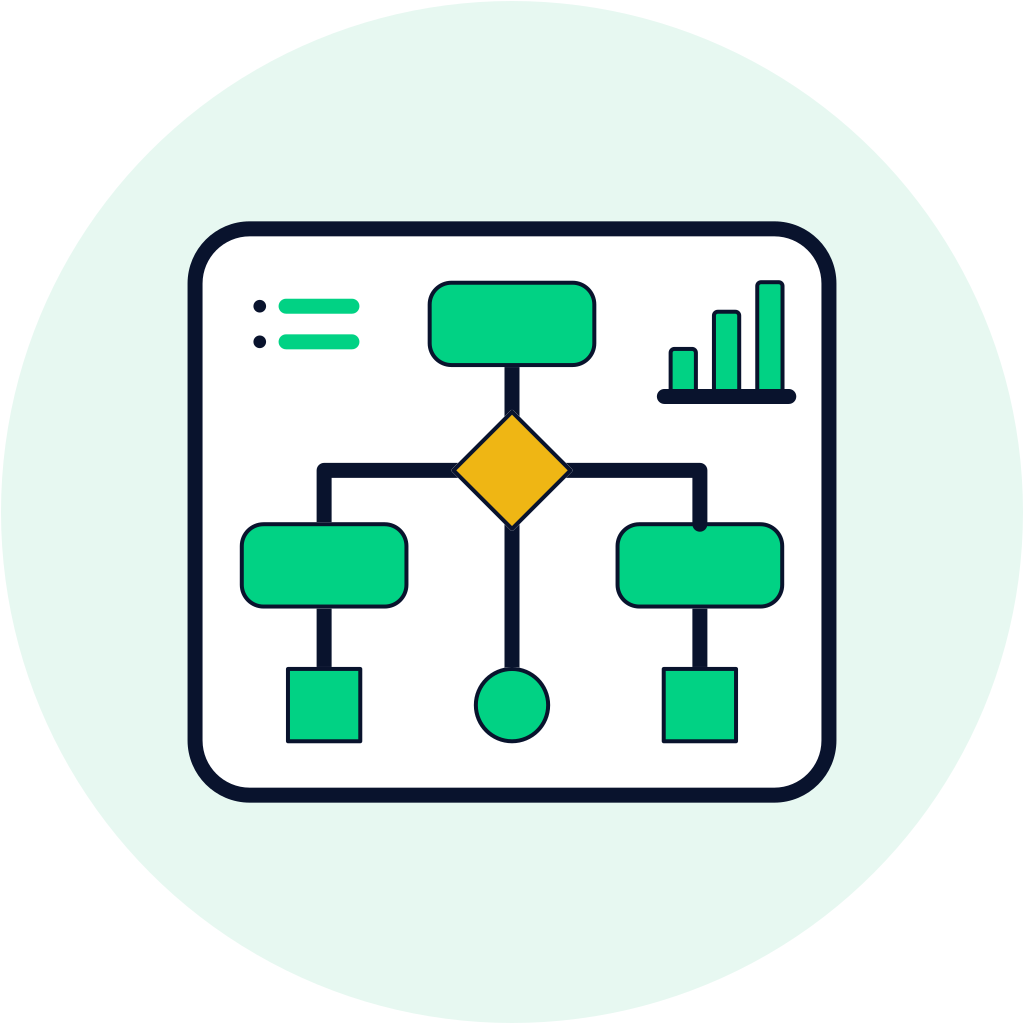
Workflow mapping
Document the current report process, source files, manual steps, owners, and deadlines.
Reporting Automation helps teams replace recurring copy-paste reporting work with cleaner data workflows, repeatable refreshes, and reports that do not depend on last-minute manual effort.
If the same report has to be manually rebuilt every week, month, quarter, or grant cycle, it is a good candidate for automation. Borrowed BI helps simplify the process and reduce manual risk.
Document the current report process, source files, manual steps, owners, and deadlines.
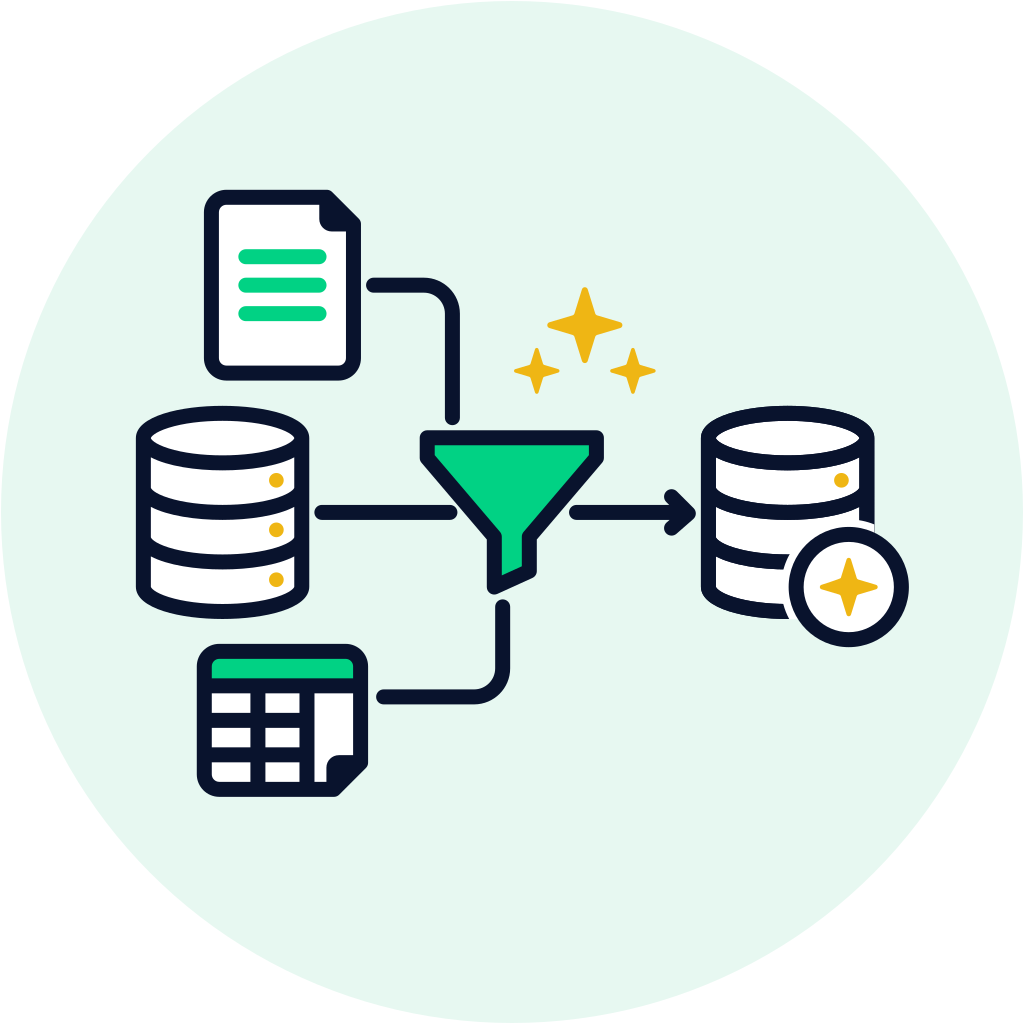
Clean up the incoming data structure so the report can be refreshed more reliably.
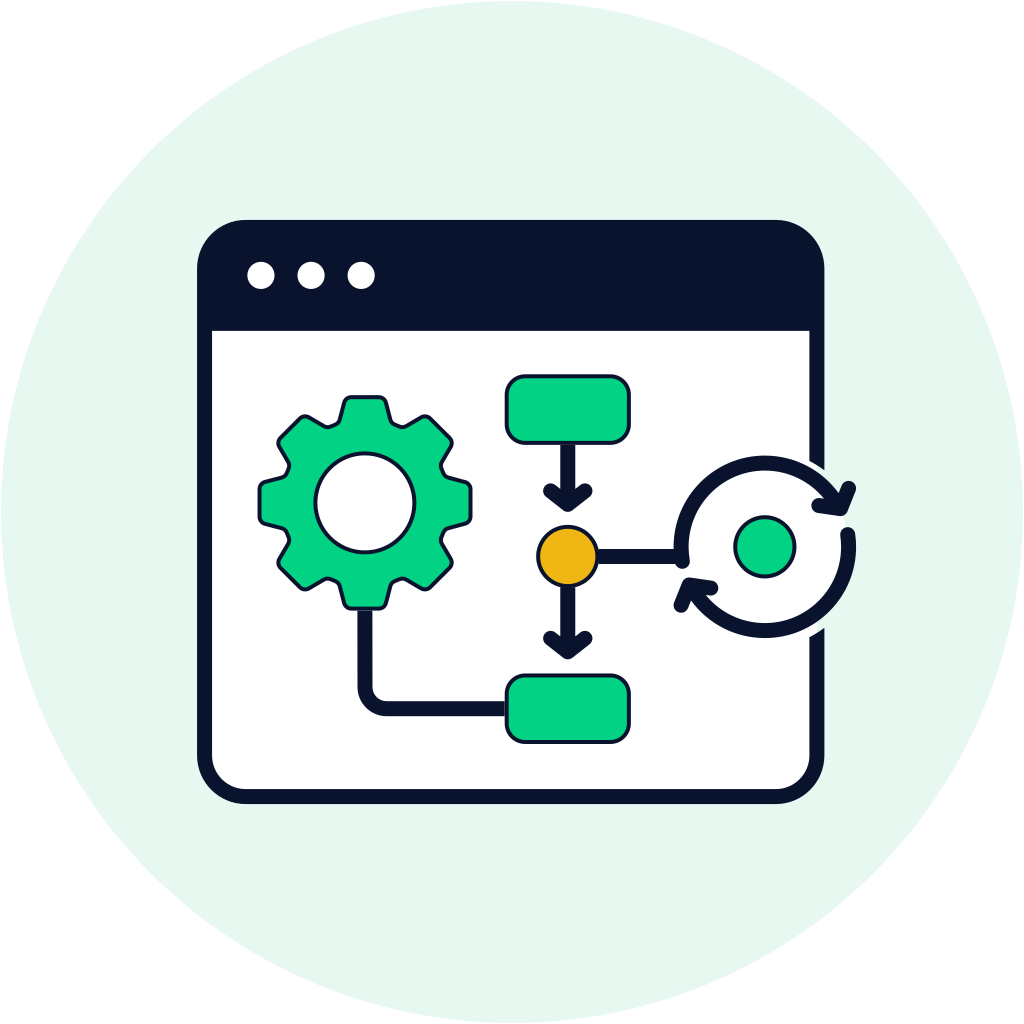
Create repeatable refresh steps, data transformations, or lightweight scripts and workflows where appropriate.
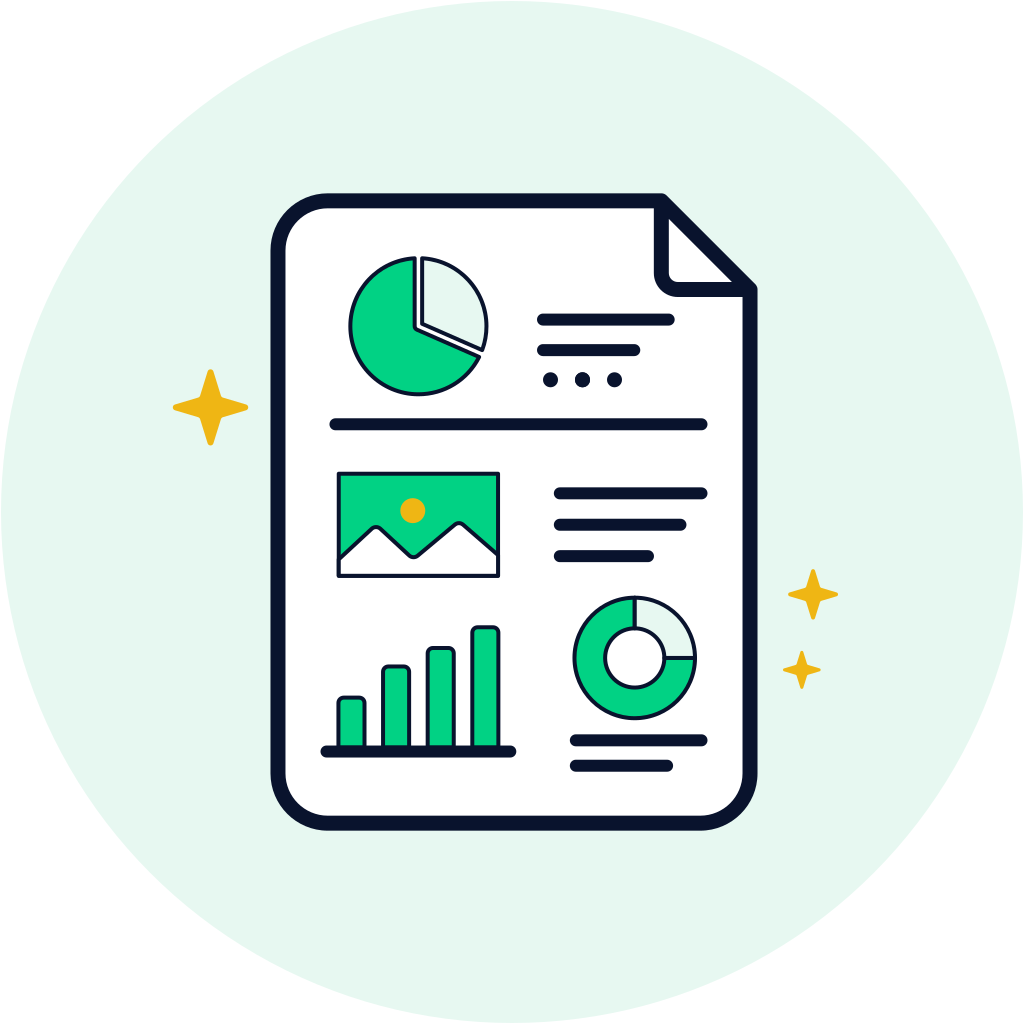
Produce a cleaner recurring report, dashboard, export, or summary view for the audience that needs it.
Document how to refresh, troubleshoot, and maintain the process.
Some recurring reports are ready to automate today. Others need cleanup first.
These packages separate a contained automation cleanup from a more involved recurring workflow build.
Clear answers for teams deciding whether this is the right kind of BI help.
Reporting automation replaces repetitive manual reporting steps with repeatable data workflows, scheduled refreshes, cleaner outputs, and documented processes.
Recurring spreadsheet reports, leadership updates, operational reports, finance or program reporting, exported dashboards, and manual copy-paste workflows are common automation candidates.
Not always. A data warehouse can help, but many teams can start by improving existing exports, source files, queries, and refresh steps before investing in a larger data platform.
Borrowed BI looks for reports that are repeated often, take too much manual effort, create risk when rushed, or are important enough that errors would cause real problems.
Usually no. Reporting automation often supports dashboards by making the data refresh process cleaner, more reliable, and easier to maintain.
Automation is often one piece of a larger reporting cleanup. These related services cover the rest.